In the veterinary profession, time is a critical resource, as valuable as the quality of care provided.
High-quality, high-volume spay/neuter (HQHVSN) techniques have been in use for decades, largely supporting the work of animal shelters, rescues, and community cat groups. With so many animals to help, HQHVSN techniques have been continuously refined, offering a proven approach to spay/neuter procedures that enhances efficiency while maintaining high standards of patient care.
Despite this long history, HQHVSN is still sometimes viewed by parts of the veterinary profession as “less than.”
However, HQHVSN procedures are not faster because they cut corners. Surgeries are not less expensive because they are somehow sub-par. In fact, the opposite is true. HQHVSN techniques optimize both efficiency and safety for patients. Modified movements and smaller incisions mean patients spend less time under anesthesia, resulting in fewer complications and quicker recovery times (Association of Shelter Veterinarians, Veterinary Medical Care Guidelines for Spay-Neuter Programs).
By optimizing surgical techniques, veterinary teams can perform more procedures in the same amount of time, which can, in turn, allow for lower-cost services – something that is increasingly critical as the demand for affordable care grows.
Addressing the Need for Affordable Services
There is an urgent need for affordable spay/neuter services. Without these critical procedures, more pets are missing out on essential care, contributing to a surge in shelter intake. After years of steady progress in lowering shelter populations, animal shelters are now facing the renewed challenges that arise when spay/neuter is not prioritized as a key preventative measure.
According to 2023 data from Shelter Animals Count, “900,000 more animals have entered and lingered in our nation’s shelters since January 2021, resulting in an ongoing capacity crisis.”
We cannot rescue our way out of overpopulation. While shelters and rescues provide a crucial safety net, they can only help so many animals at one. Spay/neuter is the only tool that prevents the birth of unwanted litters, reducing the population and preventing euthanasia and suffering before the problem starts.
Pet owners want to spay and neuter their animals, but they need access to services at a price they can afford.
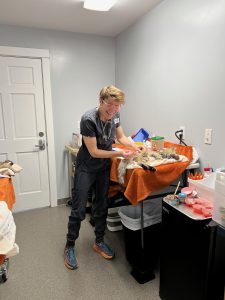 HQHVSN in Private Practice
HQHVSN techniques are not limited to spay/neuter clinics. Any veterinarian can incorporate these methods into their practice, performing safe, high-quality procedures in less time. These techniques benefit patients with quicker recovery times and reduced risk of complications.
Moreover, HQHVSN techniques can be financially advantageous for private practices. By optimizing efficiency, veterinarians can perform more surgeries in the same amount of time, leading to an increase in overall revenue. Just because the cost per surgery is lower doesn’t mean you are losing money – on the contrary, the higher volume of procedures allows for greater profitability. It’s a supply-and-demand approach: offering more affordable services while simultaneously increasing the number of surgeries performed can positively impact both your practice and your community.
You don’t have to be a “spay/neuter vet” to make a difference. By utilizing HQHVSN techniques in private practice, veterinarians can improve spay/neuter accessibility within their communities and contribute to the broader effort to reduce overpopulation.
We invite veterinarians to explore different delivery systems that support low-cost spay/neuter in our blog series here.
Interested in what a for-profit veterinary practice with an affordable pricing structure could look like? Learn more about The Community Cat Clinic in Georgia here.
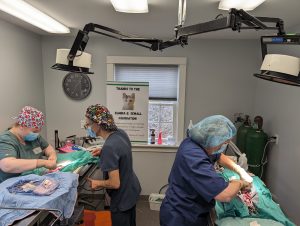 HQHVSN Wet Lab Program
To expand access to HQHVSN training, United Spay Alliance has developed a hands-on wet lab focused on HQHVSN techniques. This program offers trainees a full day of learning, including the opportunity to complete 5-7 spay surgeries utilizing the HQHVSN techniques they learn.
While one day of training is just a start, it introduces critical concepts and can spark further interest in mastering HQHVSN techniques. For veterinarians who may be unsure of their ability to perform these techniques or hesitant to step outside their comfort zone, the wet lab provides a supporting learning environment. With experienced surgeons guiding them on, trainees can practice at their own pace, in an environment focused on learning. This extra layer of caution and support helps build confidence, allowing veterinarians to try HQHVSN techniques in a setting where they can grow without pressure.
The goal of the HQHVSN wet lab program is to create more opportunities for veterinarians to learn and adopt these techniques, ensuring HQHVSN becomes widely embraced as a best practice.
Welcoming Veterinarians From All Backgrounds
We understand that some veterinarians interested in HQHVSN may feel hesitant to join established clinics, concerned their surgery times aren’t fast enough to keep pace. But every veterinarian can make a difference, even if they aren’t a full-time spay/neuter surgeon.
By incorporating HQHVSN techniques into any practice, veterinarians can alleviate some of the pressure on the veterinary and animal rescue communities by creating more appointment opportunities. And if those appointments are priced affordably, the impact can be even greater.
HQHVSN is not a niche practice – it’s a best practice that can benefit veterinarians in all settings. By embracing these techniques, we can collectively increase access to care and improve outcomes for pets and their families.